Going to quote these lines in any #tradeoff discussions going forward:
— Ankit Kashyap (@ankitwww) February 8, 2025
Would you like the strongest encryption algo in world? Yes.
Would you like logins to take ten minutes? No.
- @stevekinney in @FrontendMasters course on web security
the most secured systems are the ones people don’t want to use.
In security world, perfect is many times opposite of good.
Cookies
-
small pieces of data stored on the client side to track and identify users
-
Cookies are used to implement sessions.
-
You don’t need to be logged in.
-
Cookies are not always tied to authentication and authorization.
-
Without some kind of expiration, cookie last for the duration of the session.
-
For expiration - two options - Expires or Max age
-
How to delete the cookie
- You can’t
- But, you can set its expiration date to some time in the past.
-
httpOnly
- JS can’t change cookie httpOnly
- Sometimes you want js to still read/edit the cookie (e.g. dark mode?)
- Setting the
HttpOnlyflag on a cookie enhances security by making it inaccessible to JavaScript running in the browser. This helps protect against cross-site scripting (XSS) attacks, where a malicious script could otherwise steal sensitive cookies (e.g., session tokens) and send them to an attacker.- XSS attacks inject scripts into web pages that run in the user’s browser.
- If session cookies are accessible through
document.cookie, attackers can steal them and hijack user sessions. HttpOnlyprevents this by restricting cookies to be sent only in HTTP(S) requests.
HttpOnlydoes not protect against Cross-Site Request Forgery (CSRF) attacks. To mitigate CSRF, combineHttpOnlywith CSRF tokens or setSameSite=StrictorSameSite=Lax.HttpOnlydoes not encrypt cookies; always useSecureto ensure cookies are sent only over HTTPS.
-
Secure
- The
Secureflag in a cookie ensures that the cookie is only sent over HTTPS and never transmitted over an unencrypted HTTP connection. This prevents attackers from intercepting and stealing the cookie through man-in-the-middle (MITM) attacks.
- The
-
Signing/hashing the cookie
- Signing a cookie means adding a cryptographic signature to its value to ensure integrity and authenticity. This prevents attackers from tampering with or forging the cookie’s content while still allowing the server to read it.
-
Signing vs Encrypting:
- encryption and signing are fundamentally different cryptographic operations, and they serve distinct purposes.
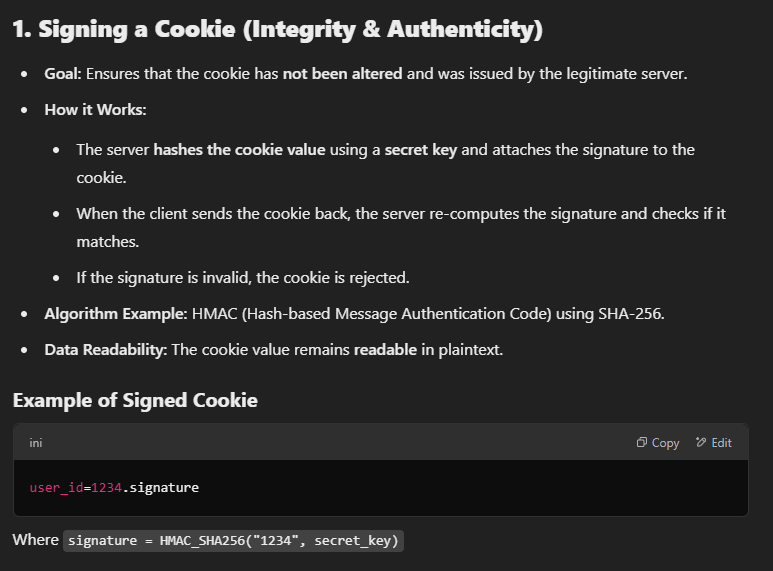
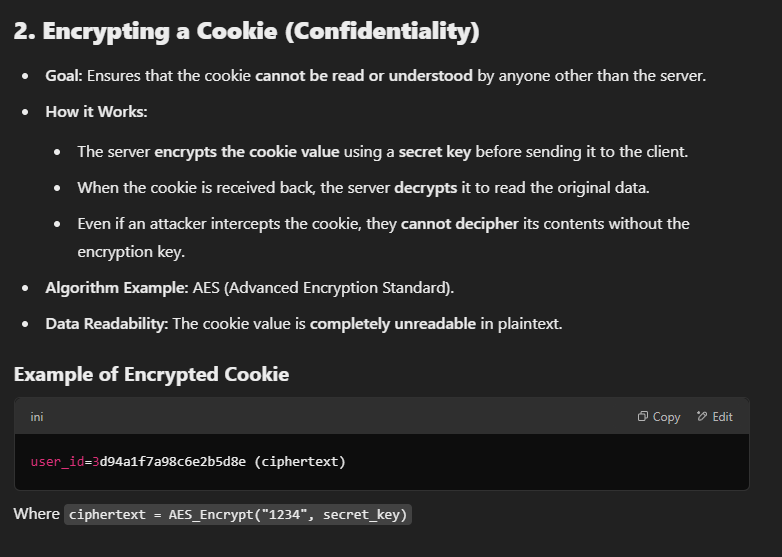
- encryption and signing are fundamentally different cryptographic operations, and they serve distinct purposes.
-
SameSite: Restricts how cookies are sent with cross-origin requests
-
But Site !== origin
- example.com and login.example.com are same site
- Exceptions: github.io and vercel.com sub domain
-
Same Origin Policy
- Protocol + Host + Port = origin
-
More on this in CSRF
-
The
SameSiteattribute in cookies controls whether cookies are sent with cross-site requests. It helps prevent Cross-Site Request Forgery (CSRF) attacks by restricting when a browser should send cookies.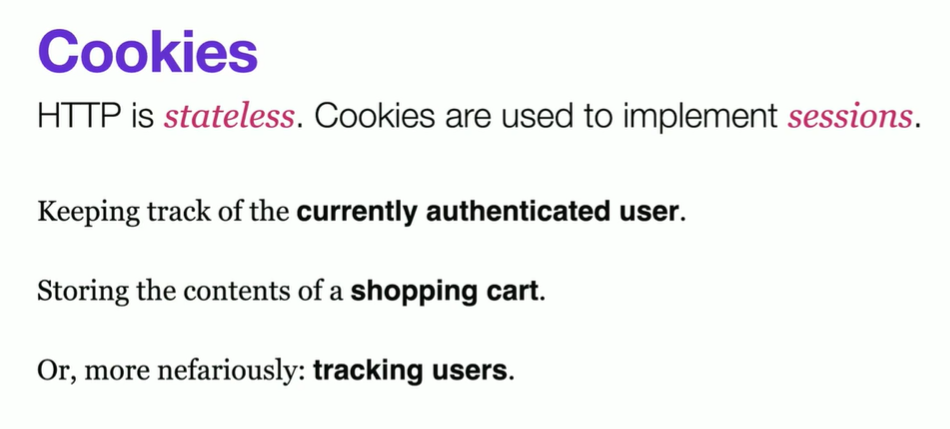
Weired things
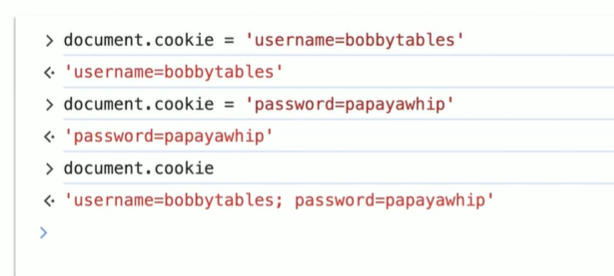
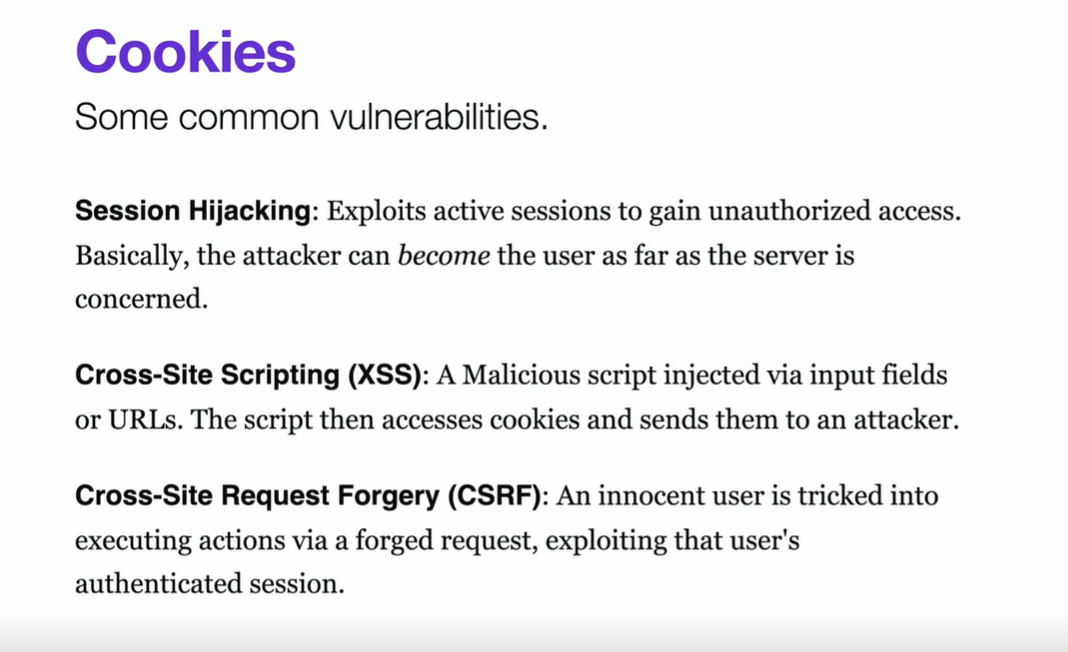
Session Hijacking
- Privilege Escalation
- Man-in-the-middle - HTTP
- SQL Injection - Escape user inputs
- Parameter Injections in URLs, non-sql DBs
- Use input validations
- Use allowLists instead of blockLists
- avoid ppl to slide properties/things like {…obj, admin: true} in PATCH apis
-

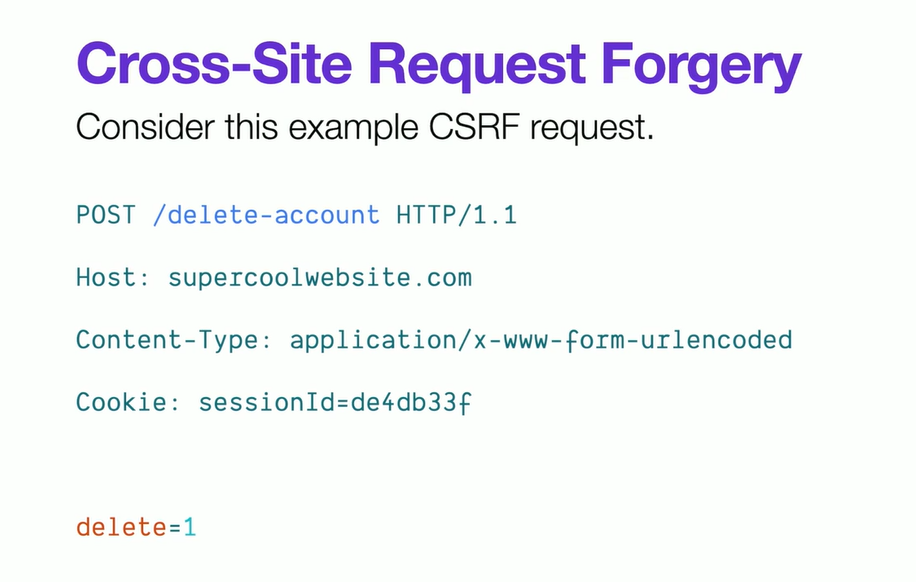
Cross-site request forgery
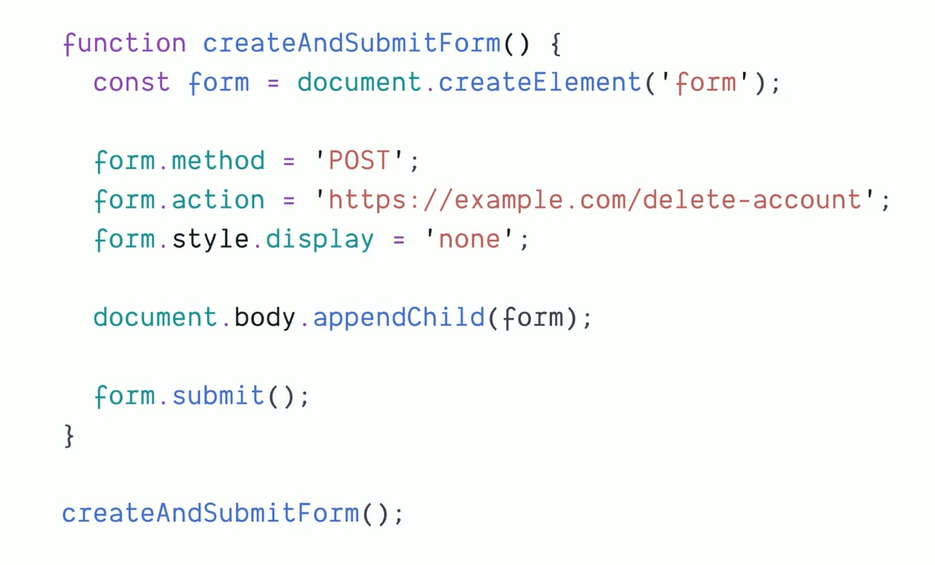
A vulnerability that allows an attacker to make unauthorized requests in the user’s behalf.
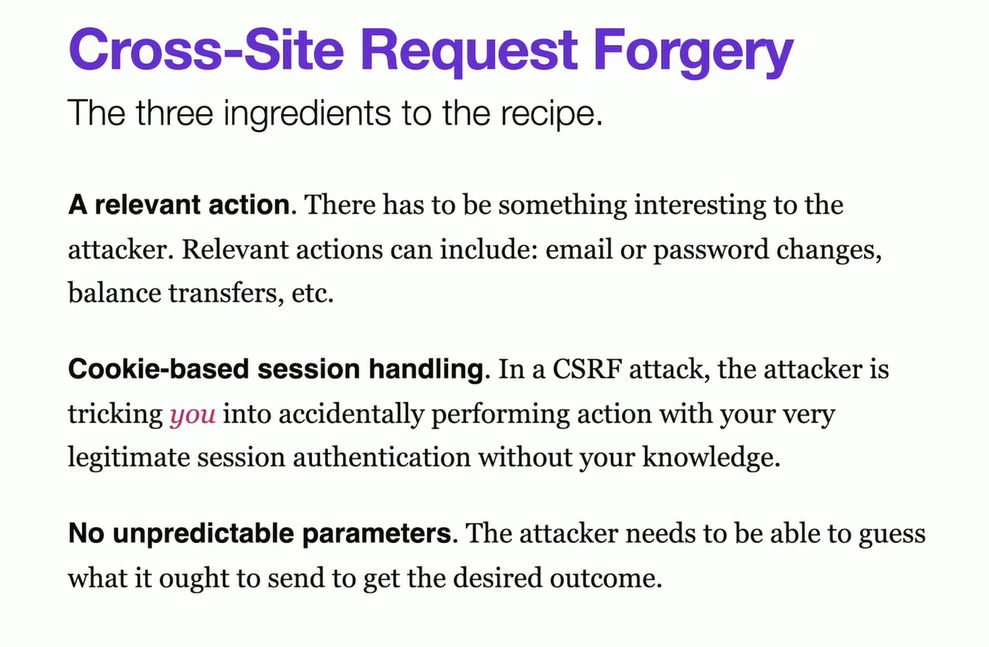
3 Ingredients to the CSRF
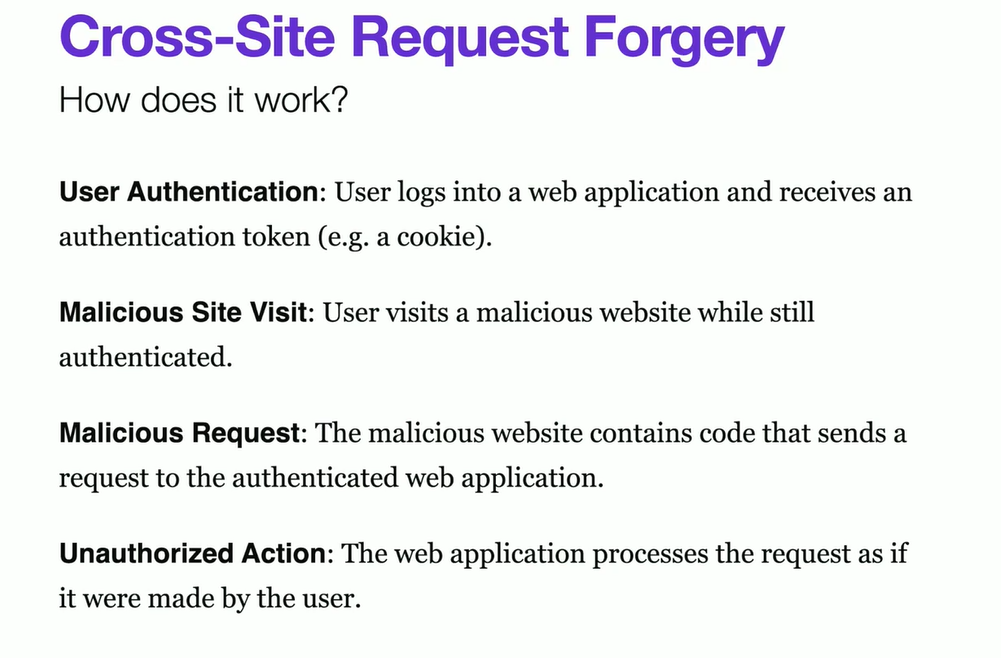
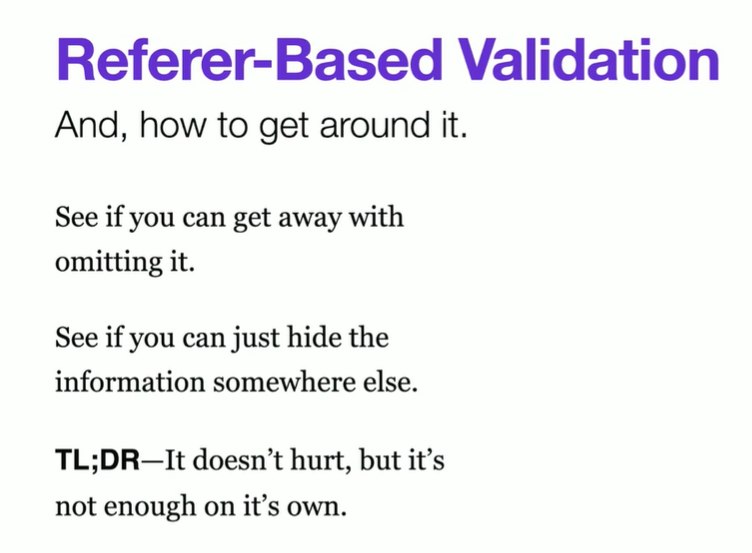
CSRF fixes
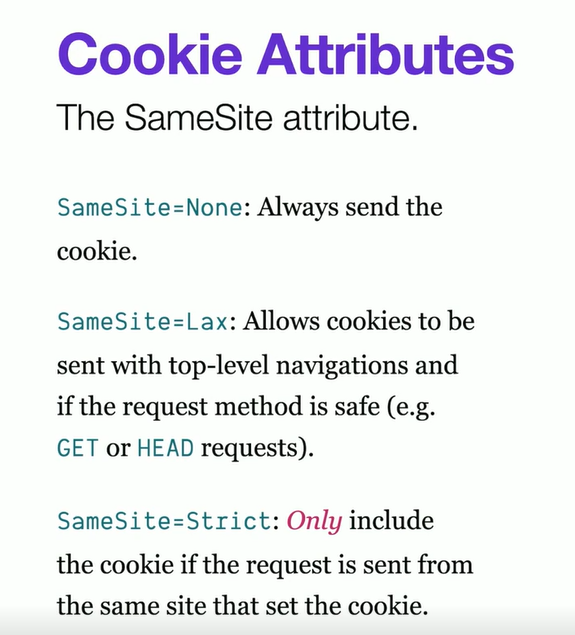
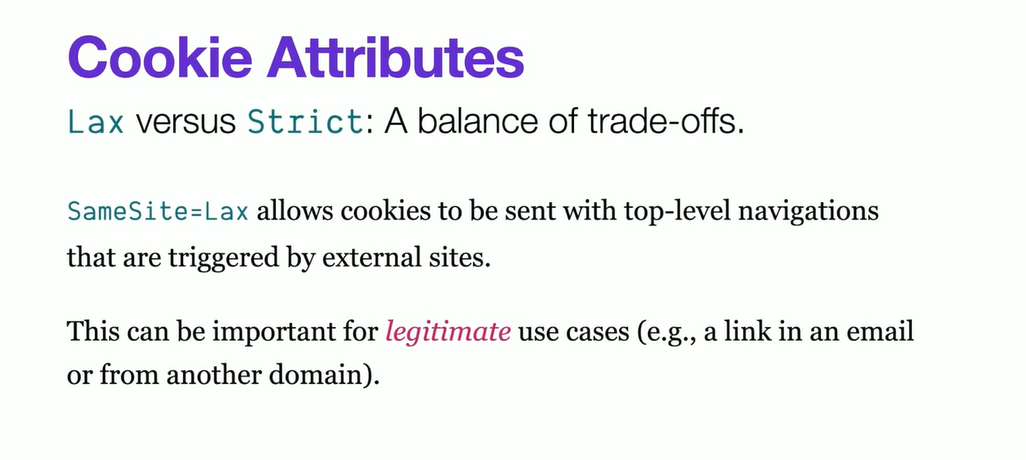
SameSite:Lax is default these days SameSite:None is irresponsible
SameSite=Strict:
- Banks or critical sites can enforce it - but a social media won’t go for it.
- Otherwise, message forwards and links shared across other website won’t work smoothly and would show up login page again (degraded experience).
- SameSite: Restricts how cookies are sent with cross-origin requests
- Site !== origin
- example.com and login.example.com are same site
- origin - Protocol + hots + port
- Exceptions: github.io and vercel.com sub domain
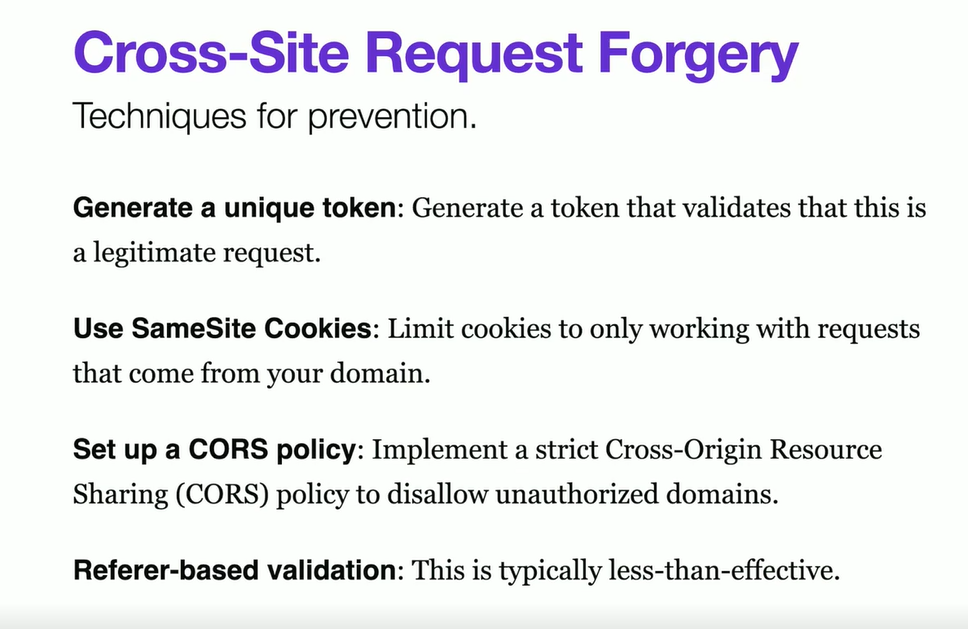
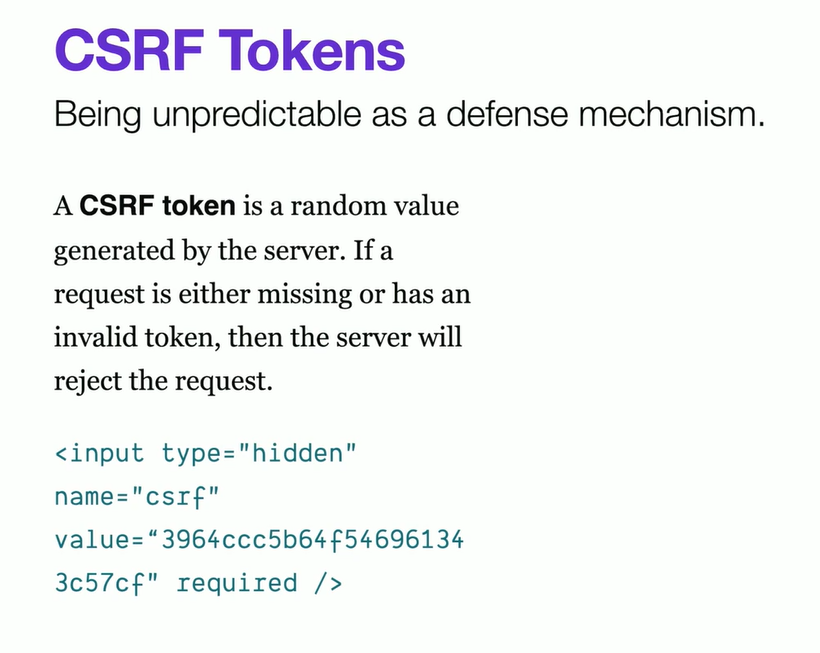
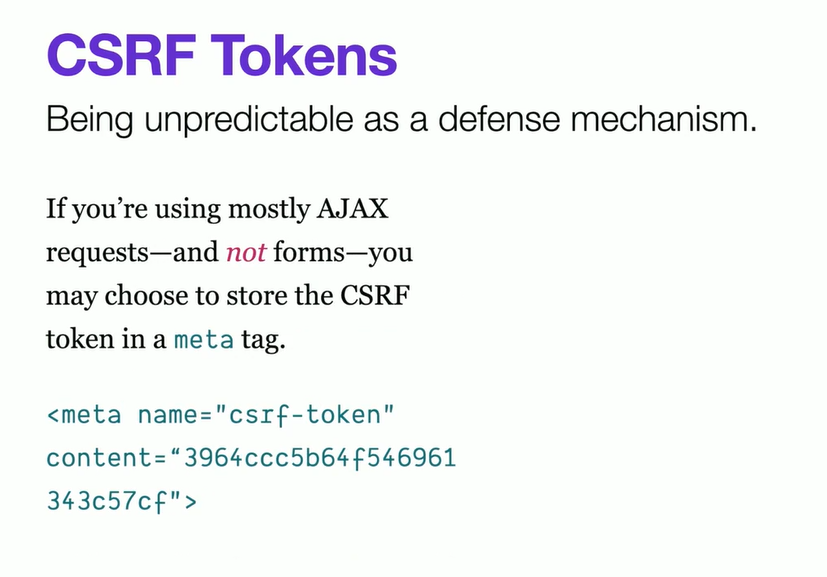
Always remember, CSRF does not need to come from javascript - it can be in CSS too (like background url as get request endpoint)

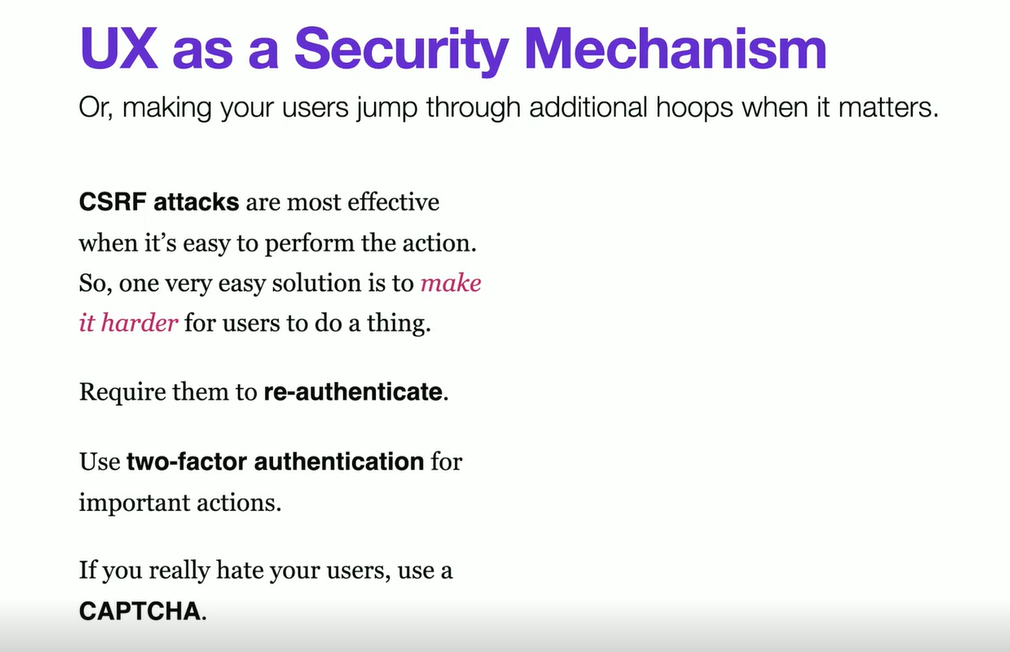
Like - deleting github repor - lots of back and forth and minimizing CSRF.
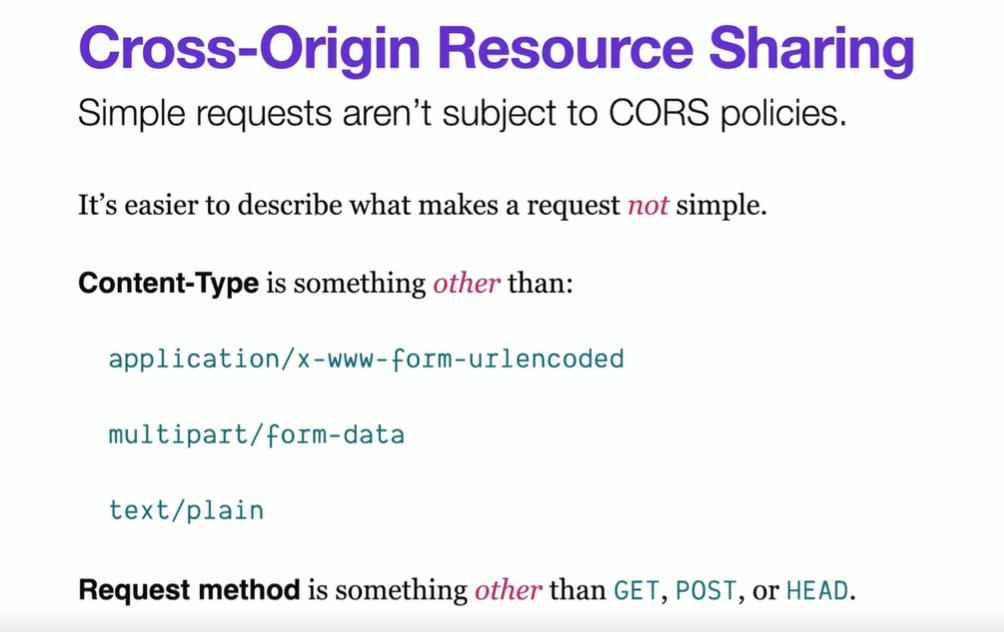
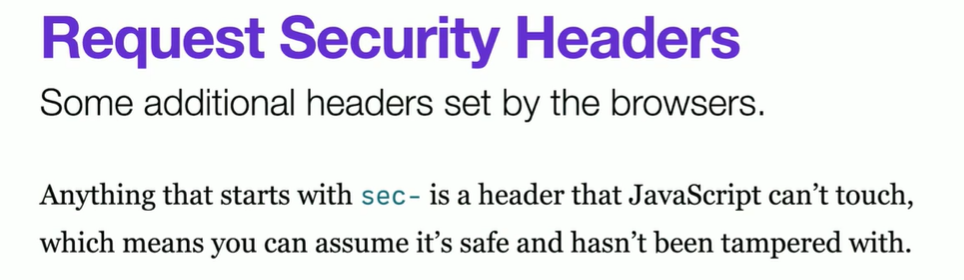
CORS: Origin + Methods + Header +
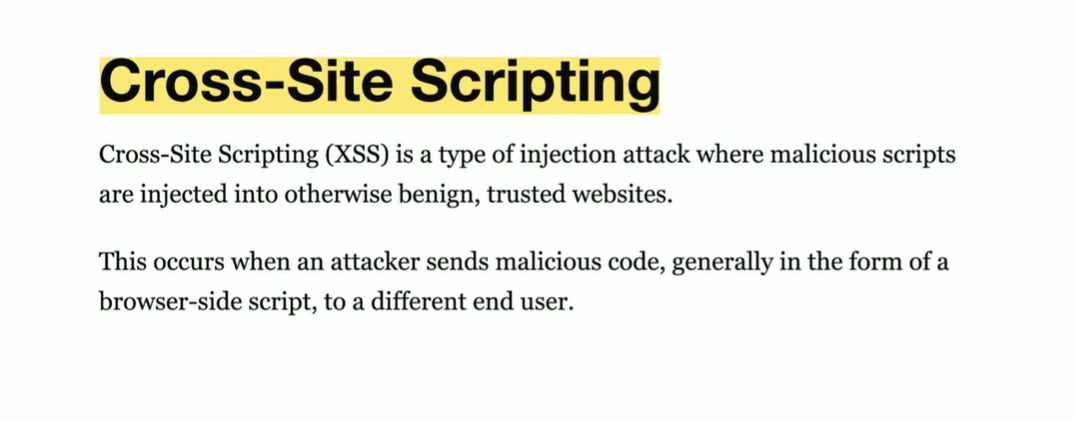
Cross-Site Scripting
This is coming from your own house! XSS - The Samy worm 2005
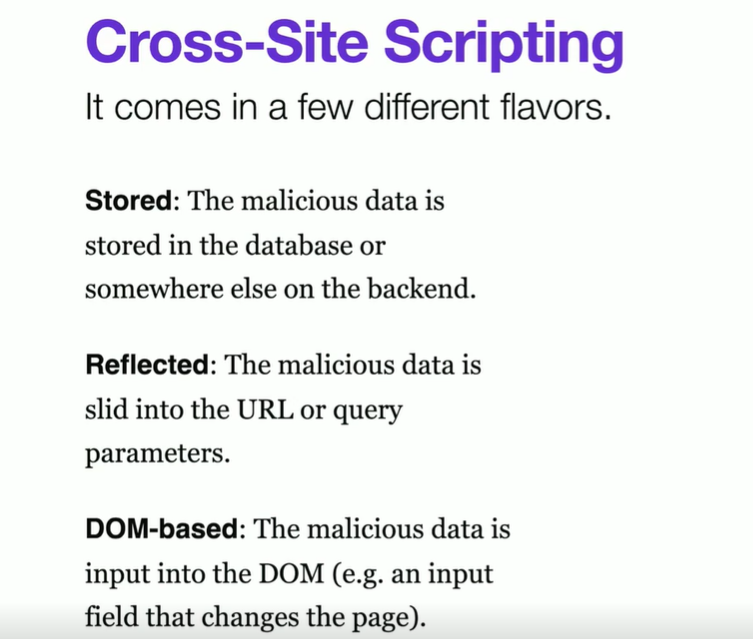
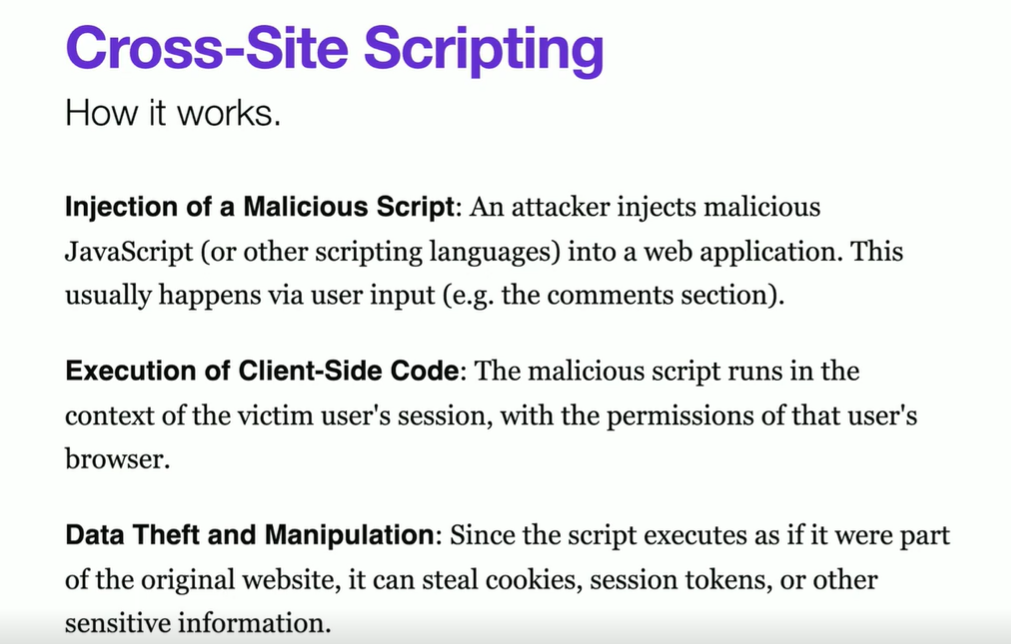
https://github.com/payloadbox/xss-payload-list
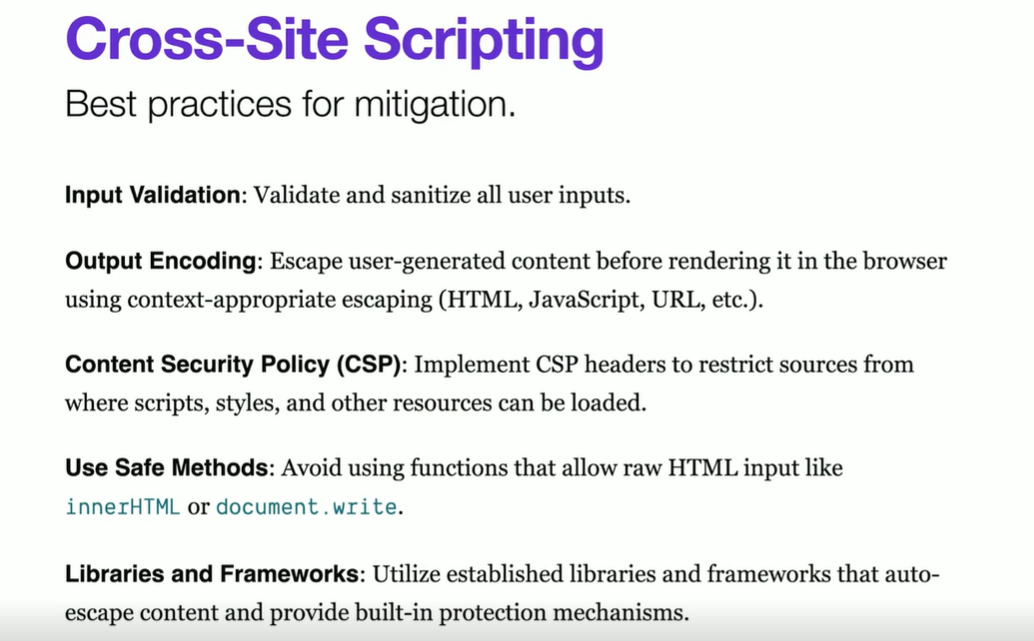
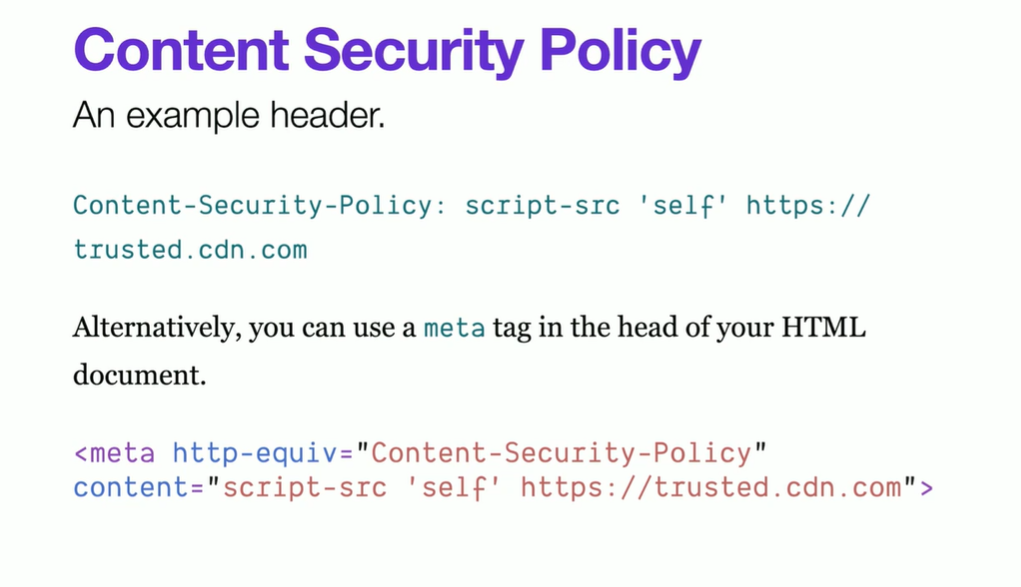
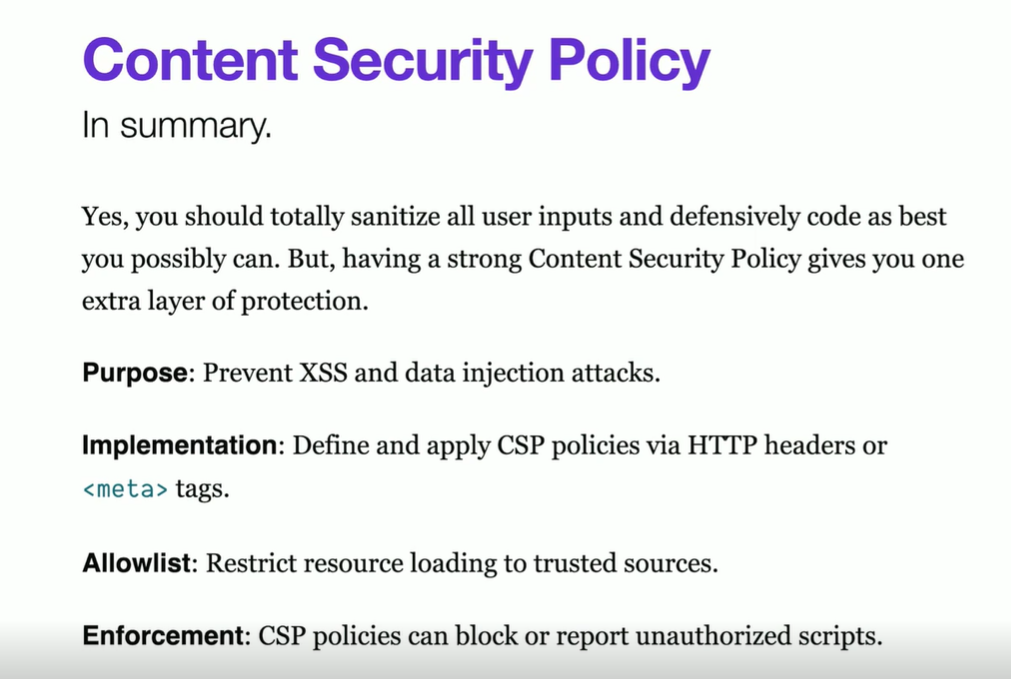
Content Security Policy
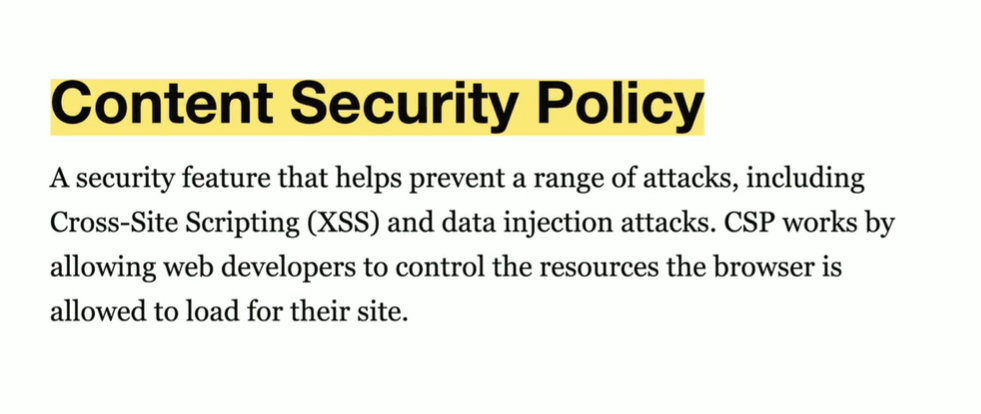
CSP can be thought of a second layer defense.
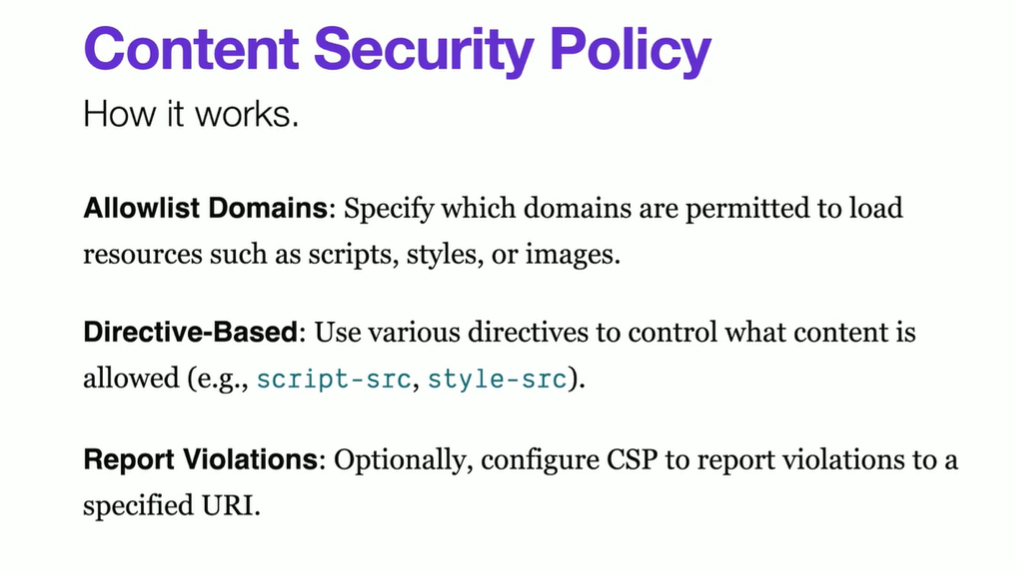
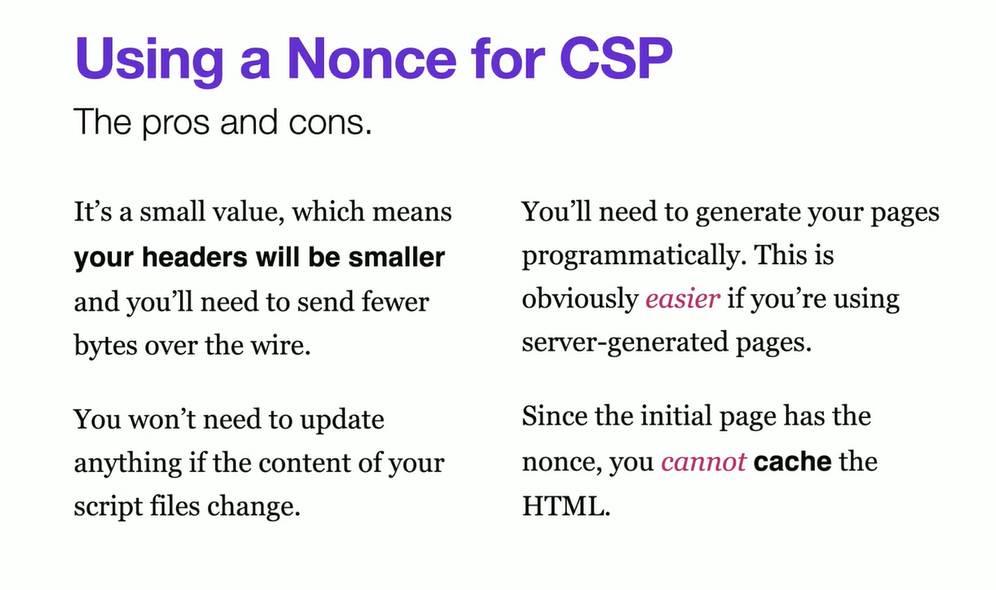
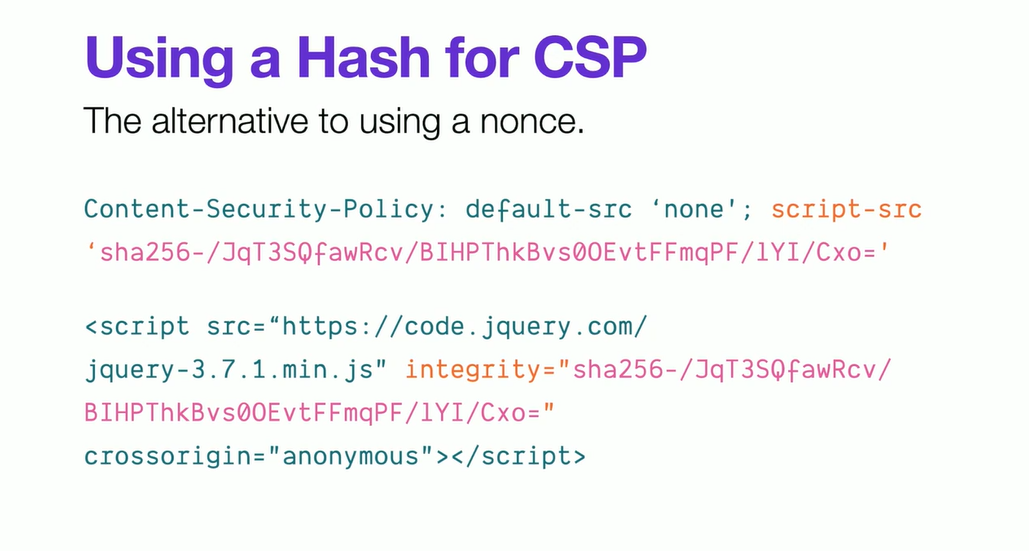
NONCE
If you need inline script or css loading . Bit like CSRF.
Original Slides from Steve Kinney course
if above not working - https://drive.google.com/file/d/1UiGq-Ok7Z-ak4lBR7yH9YEAPnFeqvM9i/view?usp=sharing